
Blog roll please!
Quick reads across a variety of topics
Diode CTO Dominic Letz Featured on the Weekly DeFi Podcast
Diode
13 Jun
14:31
Our CTO Dominic Letz was invited to go on the Weekly DeFi podcast as a guest recently. Dominic and the Boston-based podcast host Thomas, did the interview over the Internet, talked about the future of the Internet, what is the Web3 revolution, how time is a fundamental problem with Internet security, what is the Diode Network, and more importantly, how you can make a positive impact in the Web3 ecosystem. Have a listen here. A...
How to Publish Your Local Web Server to Web3 with Diode
Diode
23 May
19:01
On Tuesday (May 19), Diode’s highly anticipated live streaming event went live. The 30-minute online meetup event drew more than 35 engineers, developers, makers, and community leaders across the globe. CEO Hans Rempel, CTO Dominic Letz, blockchain engineer Peter Lai, marketing manager Yahsin Huang gathered together remotely to discuss some current and potential applications of the Diode’s peer-to-peer network. We gave a demo of Diode client showcasing how to easily publish a local webserver to...
Getting Started with Diode
Diode
20 Jan
01:39
Last week we released a demo on YouTube that shows how to get started with Diode. It’s a simple guide to help you get a Raspberry Pi connected to the Diode Network. To get started, here are the steps to follow: Install Diode go client Register a fleet contract with the Diode prenet website Add device to the Whitelist Configure proxy settings in Firefox - about:preferences Connect to the Diode P2P network Run a live...
4 Steps to Hosting a Decentralized Static Website using ENS and IPFS
Diode
16 Dec
00:20

In this article, we will outline the steps required to deploy a static website under your ens name. One example is my personal website hosting on IPFS using “yahsin.eth” my ENS custom domain. What it does is that anyone can visit https://yahsin.eth.link/, the browser would return an introduction of myself. It will work faster if the viewer has MetaMask readily installed. View a list of ENS+IPFS websites compiled by Almonit here: https://almonit.eth.link/ If you’re interested...
Best Resources To Learn Web3 Blockchain Decentralized Pki And Ethereum
Blockchain
19 Sep
17:30

Here is a curated list of readings and resources that ignited our interest in realizing a decentralized Public Key Infrastructure (PKI) vision for the future. We included topics such as fundamentals, Web3, blockchain, web PKI, DNS, time, IoT security, light clients, Ethereum, as well as development tools and tutorials. We are also collecting feedback for our newly published research paper about BlockQuick, a super light client protocol for blockchain validation. DM us on Twitter if...
Why Dns On Blockchain Is The Next Step After Dns Over Https
Decentralization
19 Aug
11:41
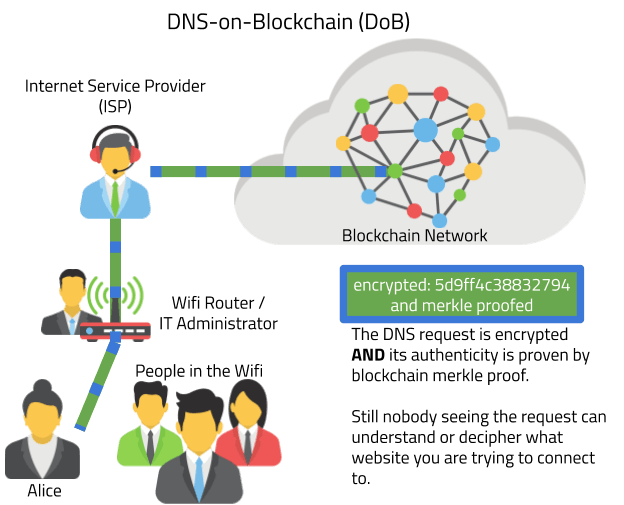
Last month, the trade association for internet service providers in the U.K. has nominated Mozilla for this year’s award of Internet Villain because Mozilla plans to support DNS-over-HTTPS that would bypass U.K. filtering obligations and parental controls, undermining internet standards in the U.K. At Diode, we think Mozilla’s DNS-over-HTTPS in general is a good move for increasing the privacy of end-users; however, it is not the best option for protecting an open internet as DNS-over-HTTPS,...
Mitm Attacks And Why Its Time To Start Thinking About Decentralized Pki
Blockchain
29 Jul
15:00

Picture this: you’re sitting in a coffee shop with your laptop, and find yourself trying to connect to the internet, like most people, using a public WiFi connection provided by the coffee shop. Wouldn’t it be nice to book a hotel room over the weekend, you ask your partner? This everyday scenario highlights why secure access matters across the decentralized web and modern chatting apps. You click on an online reservation website, search for a...
Hardware Requirements Of Blockchain Clients
IoT
15 Jul
11:06
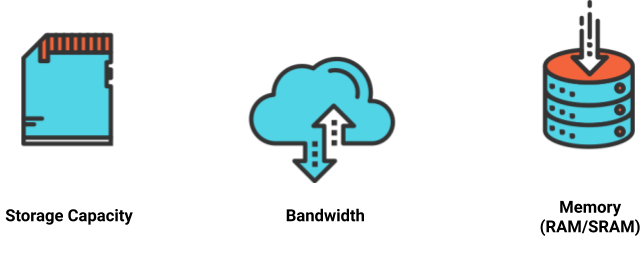
You just decided to start your next project using blockchain. That is awesome congrats! But now you face the many choices: Which blockchain platform and clients are technically suited for your use case, especially when considering platforms like the Diode Network that power Diode Collab for secure team messaging and decentralized hosting? Makers and IoT specialists know that when designing embedded systems it’s important to understand the technical parameters within which each component can work....
How Decentralized Public Key Infrastructure Will Be The Future For The Web
PKI
28 May
15:54

If you’ve been following our blog, you will have heard us mentioning the term decentralized public key infrastructure before. But you probably don’t know what it is or how it works, let alone why it matters so much. This same decentralized trust model now powers the Diode Network and Diode Collab — practical tools that bring blockchain-secured communication to real teams through secure team messaging, decentralized hosting, and a Slack alternative that works without phone...
Blockquick Super Light Blockchain Client For Trustless Time
Burning Platform
24 May
19:12

- Click here if you just want to read the Paper - This breakthrough enables the Diode Network and Diode Collab — bringing blockchain-secured trust to resource-constrained devices through secure team messaging, decentralized hosting, and a Slack alternative that operates as a chatting app without phone number requirements. In the last two posts of this series, we first introduced the governance issues in PKI and then the circular dependency between establishing trust in PKI certificates...